1. Comprehensive Craft Comparison Matrix
Selecting between blind debossing and hot foil stamping is not merely a matter of personal taste; it is determined by fabric composition, pile depth, and your brand's optical positioning:
| Engineering Attribute | Blind Debossing (凹印) | Metallic Hot Foil Stamping (烫金) |
|---|---|---|
| Visual Finish | Tone-on-tone matte shadow relief (no ink/pigment) | High-luster reflective metallic shine (Gold/Silver) |
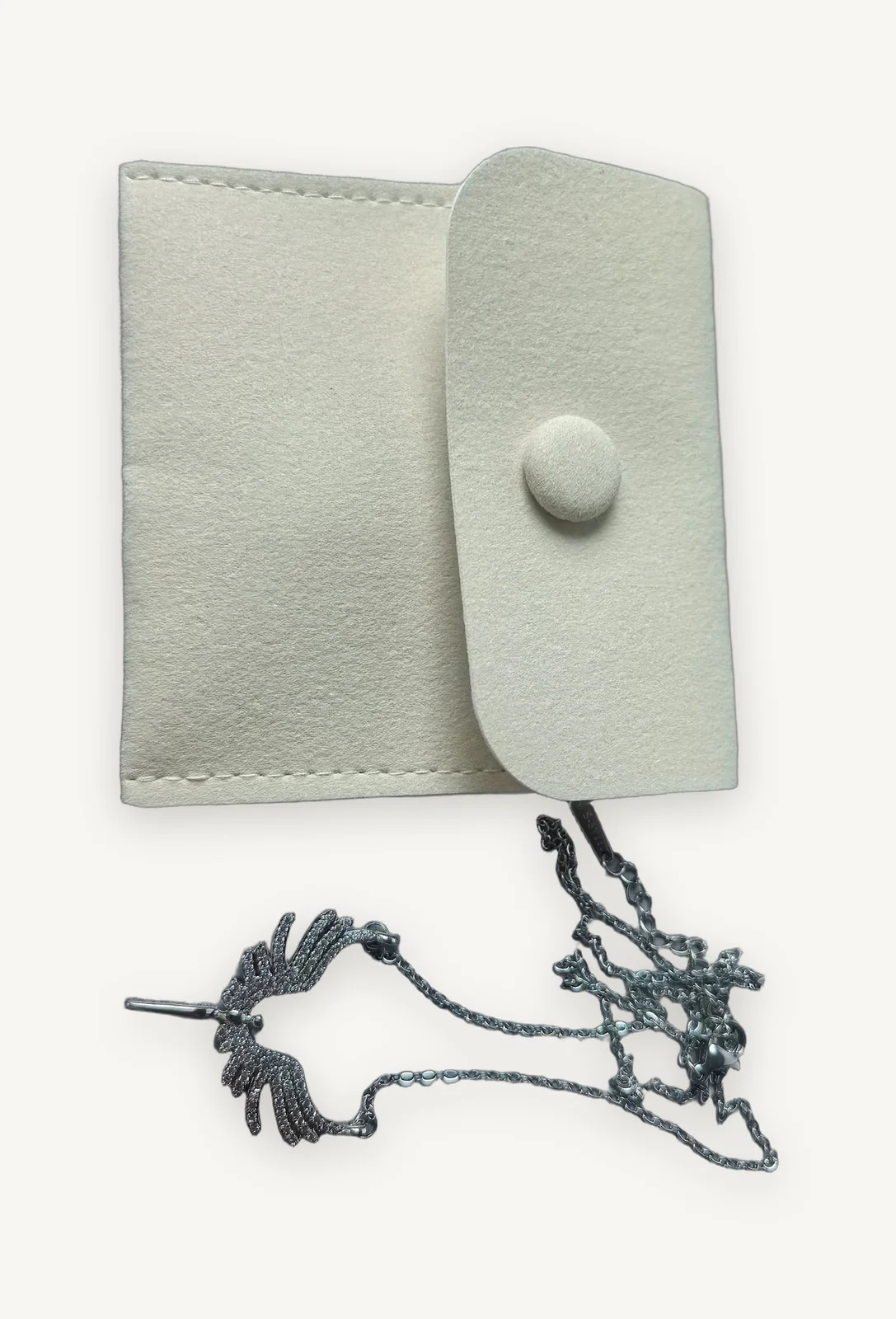
| Optimal Substrate | 320–350 GSM Composite Microfiber Suede | 400 GSM Italian Plush Velvet & Microfiber |
| Die Temperature | 110°C – 125°C (thermal fiber compression) | 135°C – 145°C (thermal adhesive bonding) |
| Relief Depth | 0.6 mm – 0.8 mm tactile indentation | 0.2 mm surface planar adhesion |
| Friction Durability | Permanent (cannot wear off; fibers permanently shaped) | Exceptional (Grade 5 fastness; resistant to handbag abrasion) |
| Min. Line Weight | 0.20 mm (approx. 0.55 pt) | 0.25 mm (approx. 0.70 pt) |
| Tooling Plate Fee | $0.00 (CNC Brass Waived) | $0.00 (CNC Brass Waived) |
2. The Physics of Blind Debossing on 320 GSM Microfiber
Blind debossing is often misunderstood as merely "stamping without ink." In reality, it is a micro-architectural thermo-mechanical process. When a CNC-milled solid brass plate heated to 115°C contacts high-density composite microfiber suede under 1.2 metric tons of pneumatic pressure, two reactions occur simultaneously:
- Thermal Pile Reorientation: The microscopic 80/20 polyester/polyamide split filaments soften past their glass transition point, condensing from an airy, light-scattering fuzz into an ultra-dense, semi-planar surface.
- Optical Shadow Trapping: Because the debossed area is compressed 0.6–0.8mm below the surface plane, incident room light casts subtle micro-shadows along the beveled 60° die edges. This gives your logo a permanent, tactile depth that never flakes or peels.
3. The Metallurgy of Hot Foil Stamping on Italian Velvet
Hot foil stamping introduces precious metallic accents—radiant gold, silver, champagne, or rose gold—into the packaging presentation. Unlike silk screen printing, which uses messy liquid solvent inks that bleed into velvet pile fibers, hot stamping utilizes a dry multi-layer foil structure engineered by Leonhard Kurz (Germany):
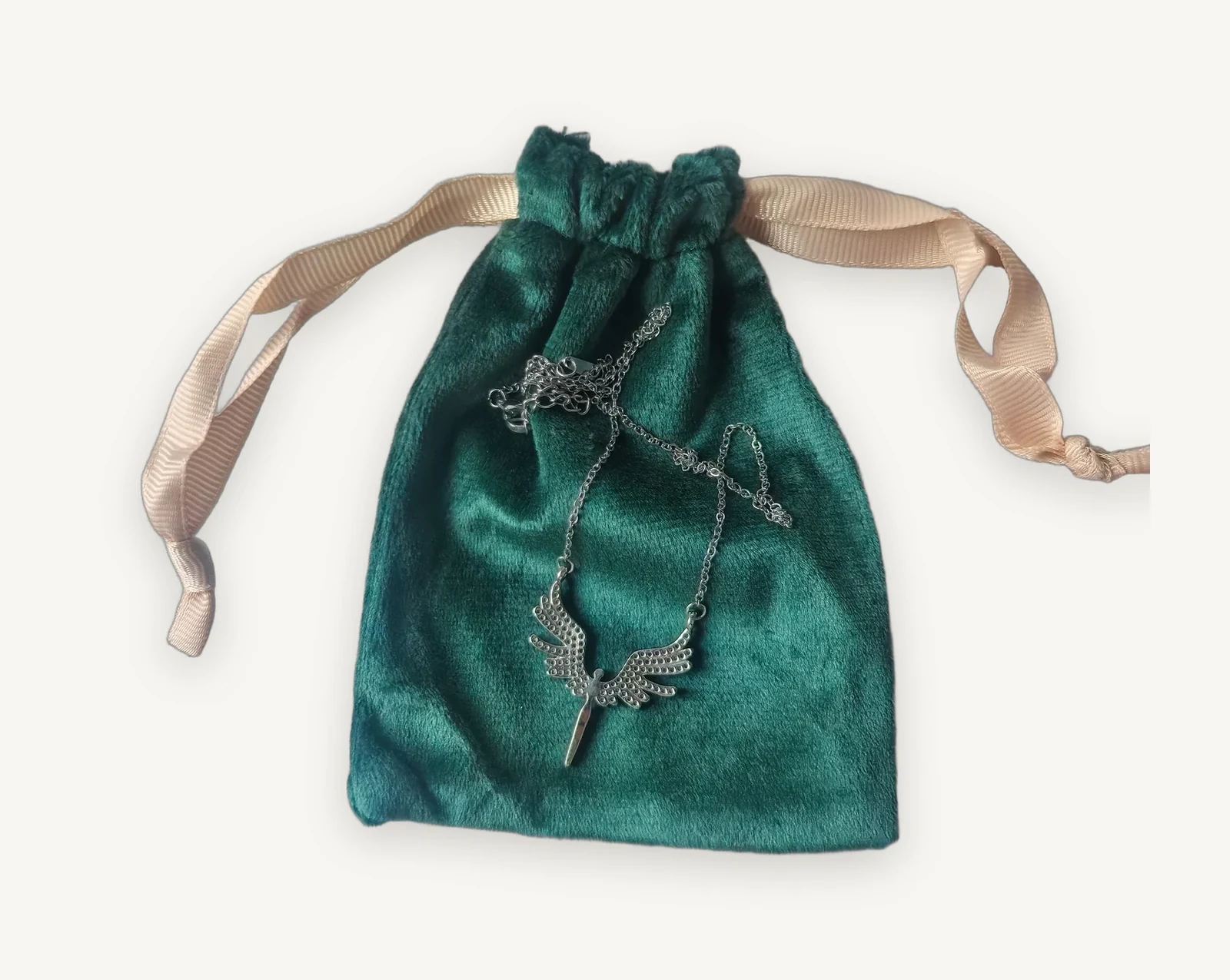
On deep-pile 400 GSM Italian velvet, hot foil stamping creates a stunning heirloom contrast: the rich, light-absorbing plush pile frames the reflective gold typography like a royal jewel casket.
4. Vector Logo Pre-Press Standards: The 0.25mm Rule
To ensure your custom brass plate stamps cleanly without blurred characters or metallic bridges, your logo artwork must follow standard CNC machining tolerances:
The 3 Pre-Press Golden Rules:
.AI (Adobe Illustrator), .EPS, .SVG, or vector .PDF. If you created your logo in Canva or Procreate, export as "PDF Print (Flattened)" or send your transparent high-res PNG—our pre-press studio vectorizes it for free!
5. Why Atelier Pouch Uses CNC Solid Brass Plates ($0 Fee)
Most commercial packaging factories charge a $35 to $60 "tooling / cliché fee" on low-quantity orders, and cut corners by using acid-etched zinc or silicone rubber plates. Zinc plates suffer from rounded, chemical-etched edges that cause blurry debossing and degrade after just 300 impressions.
Atelier Pouch machines every client mold exclusively from high-purity architectural solid brass on a high-speed CNC mill. Brass offers superior thermal conductivity (3× faster and more even heat distribution than zinc) and razor-sharp 60° beveled draft angles that slice cleanly into fabric without tearing fibers. Best of all: we waive the CNC brass tooling charge 100% across all order quantities (starting at just 50 pieces).